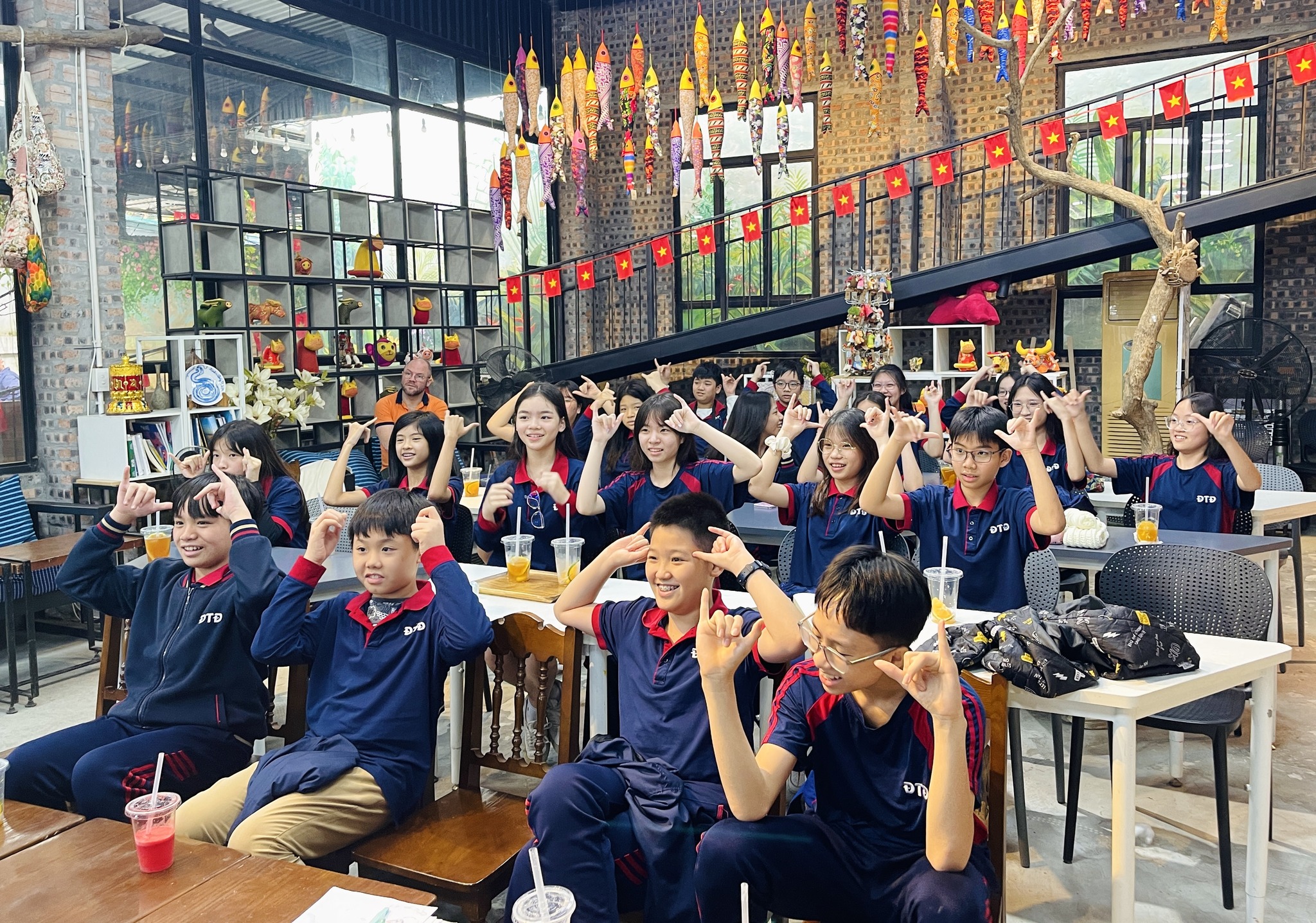
For lower and upper secondary students, visiting a craft workshop can offer a practical view of how handmade products are created through skills, techniques and coordination. Kym Việt Go is presented in the brief as a potential extracurricular experience for teachers, schools and parents looking for a hands-on perspective on craft work.
The Kym Việt workshop mentioned in the programme is located at 123 Trung Văn, Đại Mỗ, Hà Nội. The main focus is on learning about the handmade stuffed-toy process and observing the work carried out by craft professionals.
What can students learn about at the craft workshop?
The programme is intended to focus on the process of making stuffed toys, craftsmanship, techniques and coordination within the workshop. These elements can give students a more direct view of the work behind a handmade product.
The brief does not currently provide an official step-by-step programme or a confirmed list of tasks that students will perform themselves. Details about observation and hands-on activities therefore need to be confirmed before publication.
How does the stuffed-toy experience take place?
The experience is intended to centre on the process of making real stuffed toys at the workshop. However, the brief does not confirm which tasks students will perform, which materials or tools they will use, or whether they can take a finished product home. These operational details need to be supplied by Kym Việt before publication.
Learning value of the visit
A craft workshop visit can give students a direct view of the relationship between ideas, practical techniques, skilled work and finished products. The article focuses on learning value, craft skills and practical experience rather than making promises about learning outcomes.
Meeting the people who practise the craft at Kym Việt
People working at Kym Việt should be introduced through their professional skills, techniques and actual responsibilities. The brief allows deaf craft professionals to be mentioned as a normal piece of information, without making disability the main theme or using a sympathetic tone.
No approved names, years of experience, specific responsibilities or quotations from craft professionals have been provided, so these details are not included.
Information for schools and parents
The location confirmed in the brief is the Kym Việt workshop at 123 Trung Văn, Đại Mỗ, Hà Nội. Information about group schedules, programme duration, group size, specific age requirements, fees, safety requirements and registration is not currently available in the brief.
Schools and parents should wait for official information from Kym Việt to confirm the arrangements before organising a visit. The article must be reviewed on Zoho Projects before publication.
Frequently asked questions
Which students is the programme intended for?
The brief identifies lower and upper secondary students, together with teachers, schools or parents organising the visit, as the intended audience.
How many students can join a group?
The minimum and maximum group sizes have not yet been confirmed.
Which tasks can students perform themselves?
The official programme has not yet confirmed the specific tasks students may perform.
What should students prepare?
The brief does not currently provide specific requirements regarding clothing, personal items or other preparations.
How can a visit be registered?
No official contact details or registration link have been provided in the brief.
Information to confirm before publication
Before the article is published, Kym Việt needs to confirm the official programme name and status, group schedules, duration, group size, the observation and hands-on programme, fees, safety requirements, contact details, official English names and any approved information about craft professionals used in the article.
Schools and parents can use the confirmed information to assess whether the extracurricular activity is suitable for lower and upper secondary students.