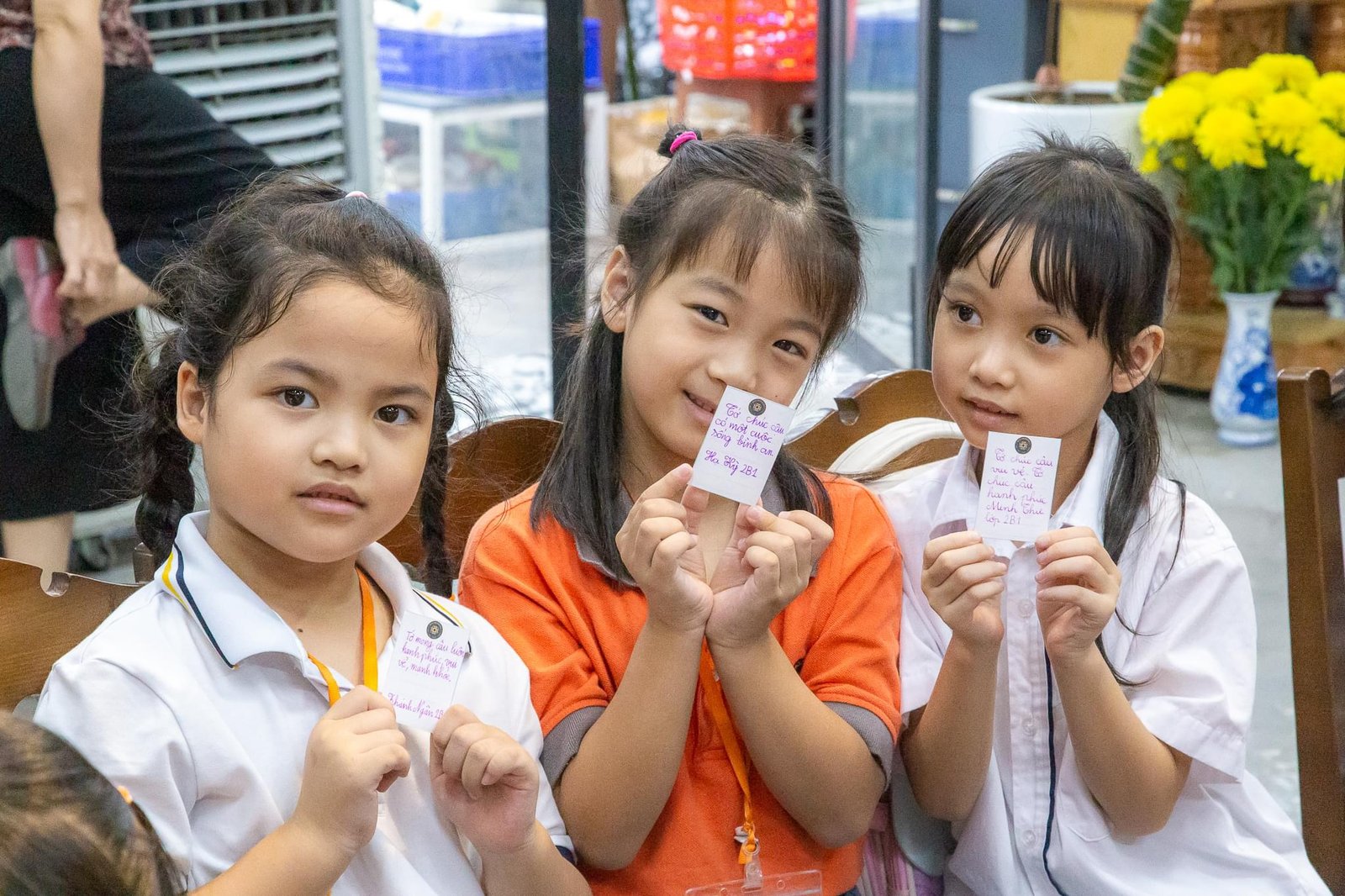
“I did it.”
That sentence is a starting point, not an ending. After a craft field trip, a student brings home an object and a short story. The teacher’s job is to help that story grow: which part did you do, how did you do it, and what would you try again?
Below is an editing frame for doing that in class. It is a suggested frame; adjust it for your group.
Where to start on the object they brought home?
Put the object on the table. Don’t ask “how do you feel about it.” Ask: “Which part of this did you make?”
The student points at a specific spot. Some remember right away. Some remember vaguely. Some say “I did all of it,” but when asked again, only recall one section.
The teacher notes three groups: the part the student did alone, the part done with a classmate or with a guide’s hand over theirs, and the part they don’t remember clearly. These are different, and students need permission to say “I don’t remember.”
If the object is a stuffed toy or a hand-painted pillow brought home from the K001 programme, the part students usually remember best is where they held the fabric, the stuffing, or the brush themselves. That is the best starting point for the story.
Editing the story while keeping the student’s voice
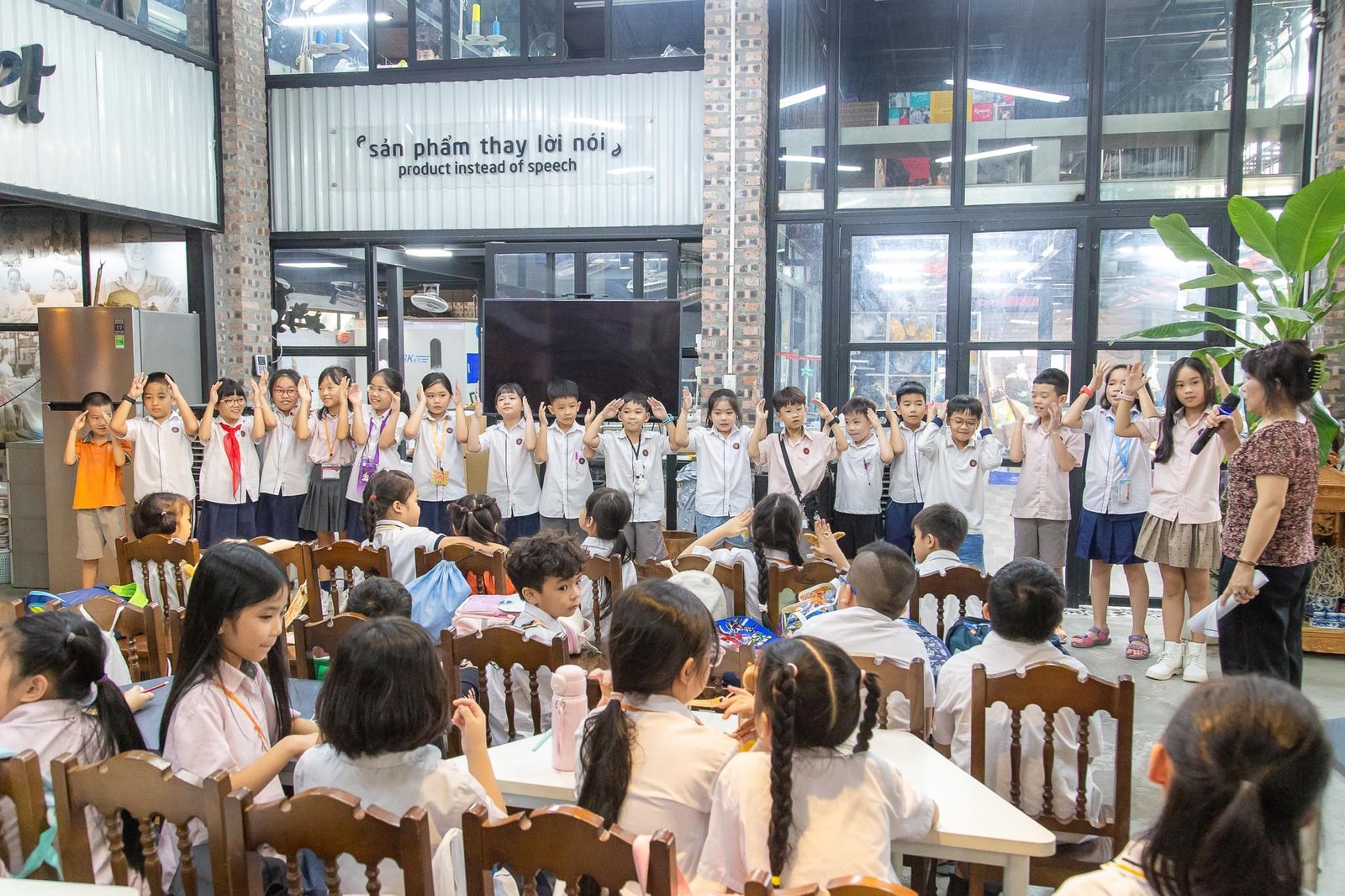
The method: take the exact sentence the student said and copy it verbatim onto the worksheet. Don’t fix spelling, don’t add words. Then mark the spots that need a follow-up question.
An initial story might be: “I sewed the ear.”
That sentence isn’t enough for someone else to picture it. The teacher circles the spot to ask about: sewn with what, which part first, how long it took. The student answers, and the teacher writes the addition in a separate box, not mixed into the original sentence.
Three boxes on the worksheet: the initial story, the teacher’s follow-up questions, the student’s own additions. A fourth box stays empty for the guide’s confirmation.
The rule: whatever the student said is recorded as the student’s. Whatever the teacher rewrote is marked as the teacher’s rewrite. Don’t assign the teacher’s writing to the student.
Checking the name of the step with the guide
Students name the step their own way. The guide names it the way the craft does. The two may differ.
The worksheet has one line for the student’s wording and one line for the checked wording. The second line is filled in only after confirmation from the guide responsible for the craft.
This check is not to correct the student’s words into proper terminology. The point is for the teacher to know they are using the right name for the step, so the next lesson doesn’t teach it wrong.
The guide confirms the name of the step and the part the student actually took part in. The confirmation goes in its own section, not mixed into the student’s story.
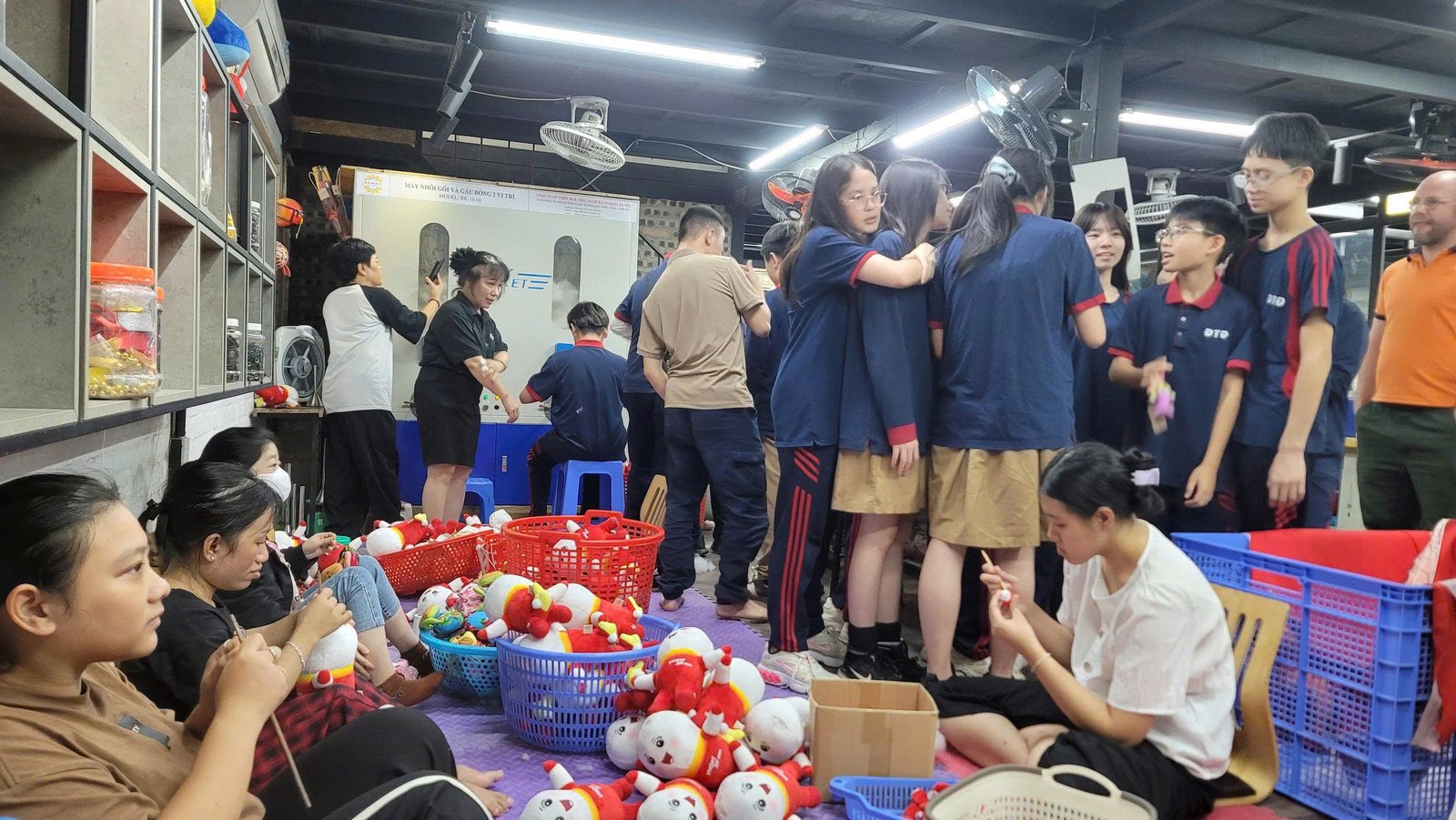
From a clear story to what they want to try again
Once the story has its additions, ask one question: “If you did it again, which part would you try?”
Don’t set a required result in advance. A student might pick something very small: sew more slowly, choose a different fabric colour, stuff the filling tighter. Some may say they don’t want to try anything again. Write that down as it is.
This part shows the teacher what the student is thinking about the step, not a grade.
A worksheet frame teachers can use
Six boxes, printed on one side:
- Initial story: copy the student’s sentence verbatim.
- The part I did on the object: the student points at the object, the teacher writes it down.
- How I did it: the student describes, the teacher writes.
- Additions after the follow-up question: note the teacher’s question and the student’s answer.
- Checked wording: leave blank, fill in after the guide confirms.
- What I want to try again: the student writes it, or the teacher writes it for them.
The guide’s confirmation box goes separately at the bottom of the worksheet, outside the student’s writing area.
Teachers can use this frame in the first class after the trip. Students rewrite their own sentence, then read it to a classmate. Keep both versions, before and after the additions, together, so the added part is visible.